The miracle of electricity
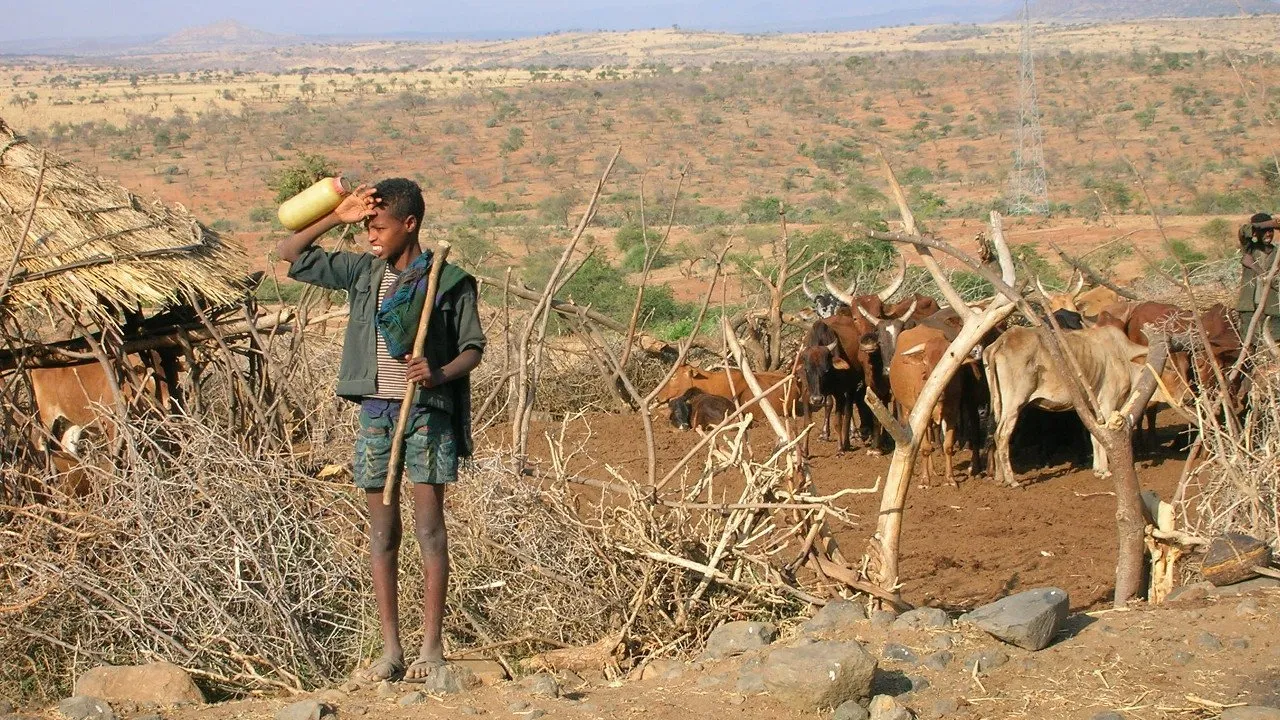
The morning greets us with suffocating heat. The stage will be short, but the heat and the terrain will make it very hard. And it seems the crocodiles were no joke: right where we bathed the day before, a couple of crocodiles were sunbathing. I hope they’ve already had breakfast…
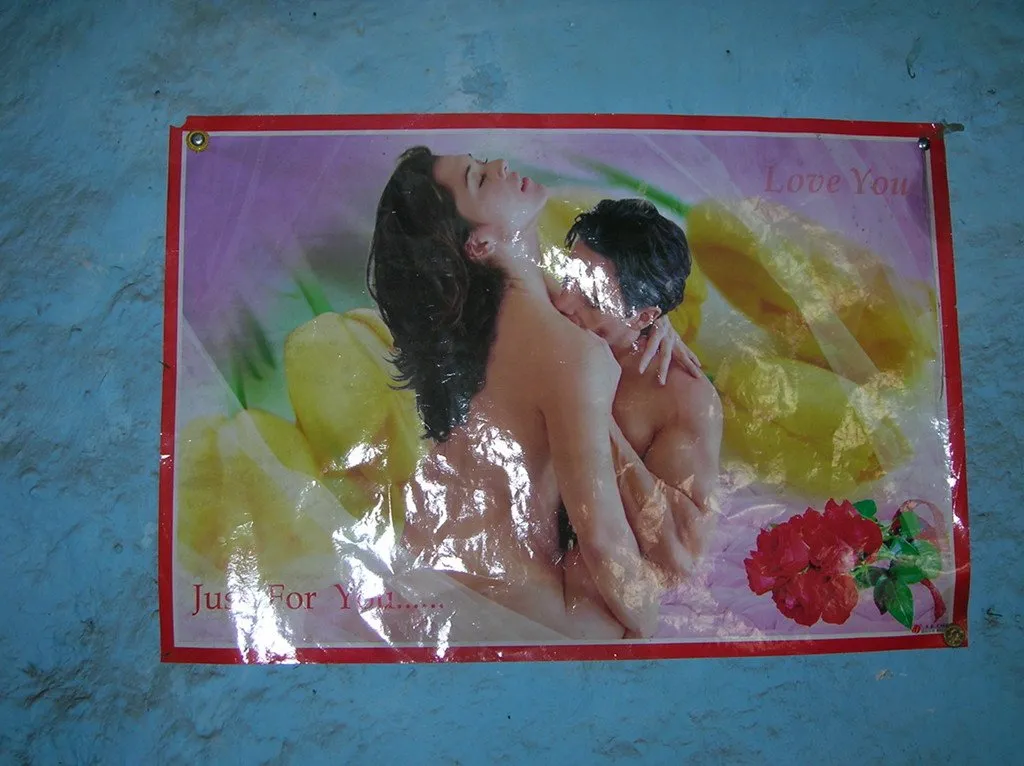
We climb back up again, the heat is fierce and the climb gives no respite. It isn’t very steep, but it goes up, and up… to a village where we decide to stop for some refreshments. The stage is going to be short, so we decide to leave lunch until we reach our destination. The decoration of the place where we stop to eat is… let’s just say the nights must be interesting.
Our stay in the village drags on quite a while. Naively, I flash my money around and leave it unattended. Before I know it, the money has vanished. It was a thick wad of notes that, at the exchange rate, came to no more than three euros. The police arrive and something very curious happens. They ask people for their notes, and they smell them. Amazed, I ask what they’re doing, and they tell me that we white people smell different, and that they can smell whether we’ve touched the notes. I find it incredible. It’s true that we smell different, but identifying a dirty, much-handled note just because I’ve touched it and put it in my pocket seems to me as far-fetched as the hackers’ software in Hollywood films. Goodbye, money.
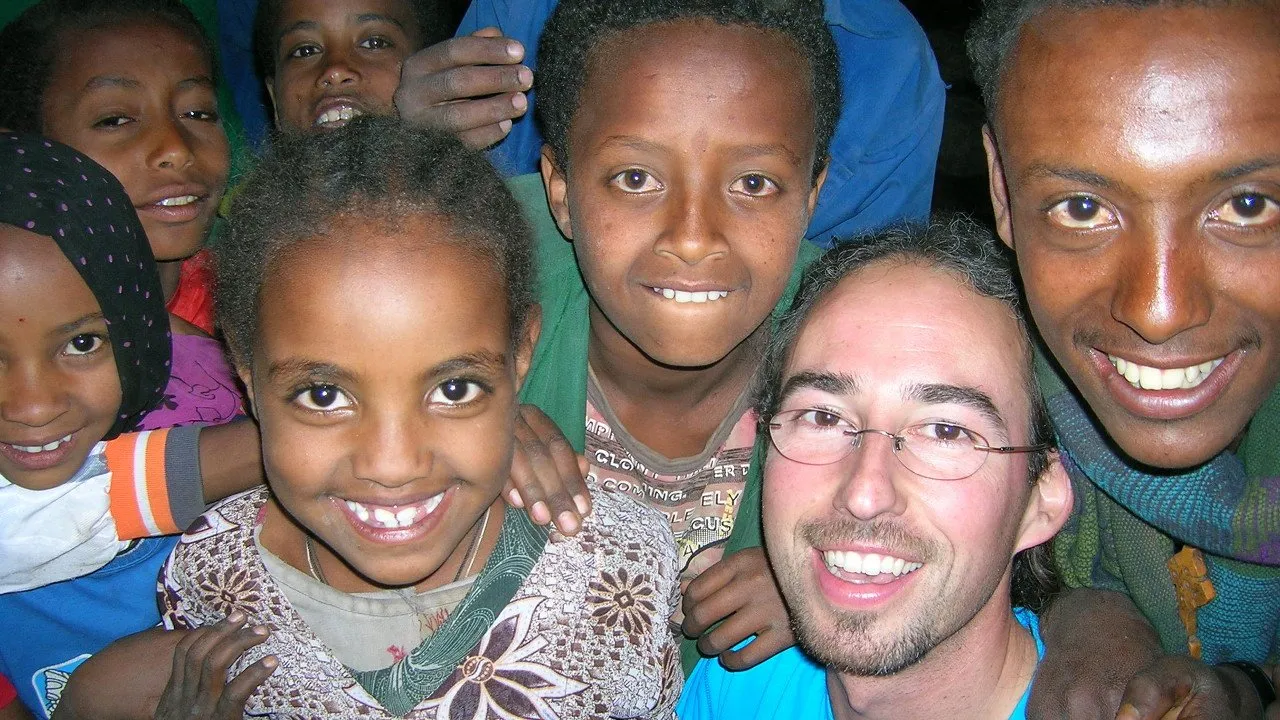
Anyway, after all the fuss we carry on climbing, once again with a crowd of children setting off with us, and we gain height until we reach the village of Midda, where the Hotel Africa awaits us.
We make the most of the afternoon to do some sightseeing. People come out to meet us and walk us through the village streets, proudly showing us their church and their school. Suddenly, at six in the evening, the village comes to life: the power is on. It seems they have some generators that supply electricity from six in the evening until… well, for as long as it lasts. The barber starts up his clippers, there’s the whirr of drills at the mechanic’s, and even a small music shop livens things up. But if there’s one thing that really strikes us, it’s that in the village square there’s a poor man begging. Used as we are to the kindnesses and cruelties of cities, we find it hard to tell the different levels of poverty apart. But they exist, and it wrings our hearts and teaches us a lesson in humility. The happiest person isn’t the one who has the most, but the one who needs the least.