In the footsteps of the White Lady
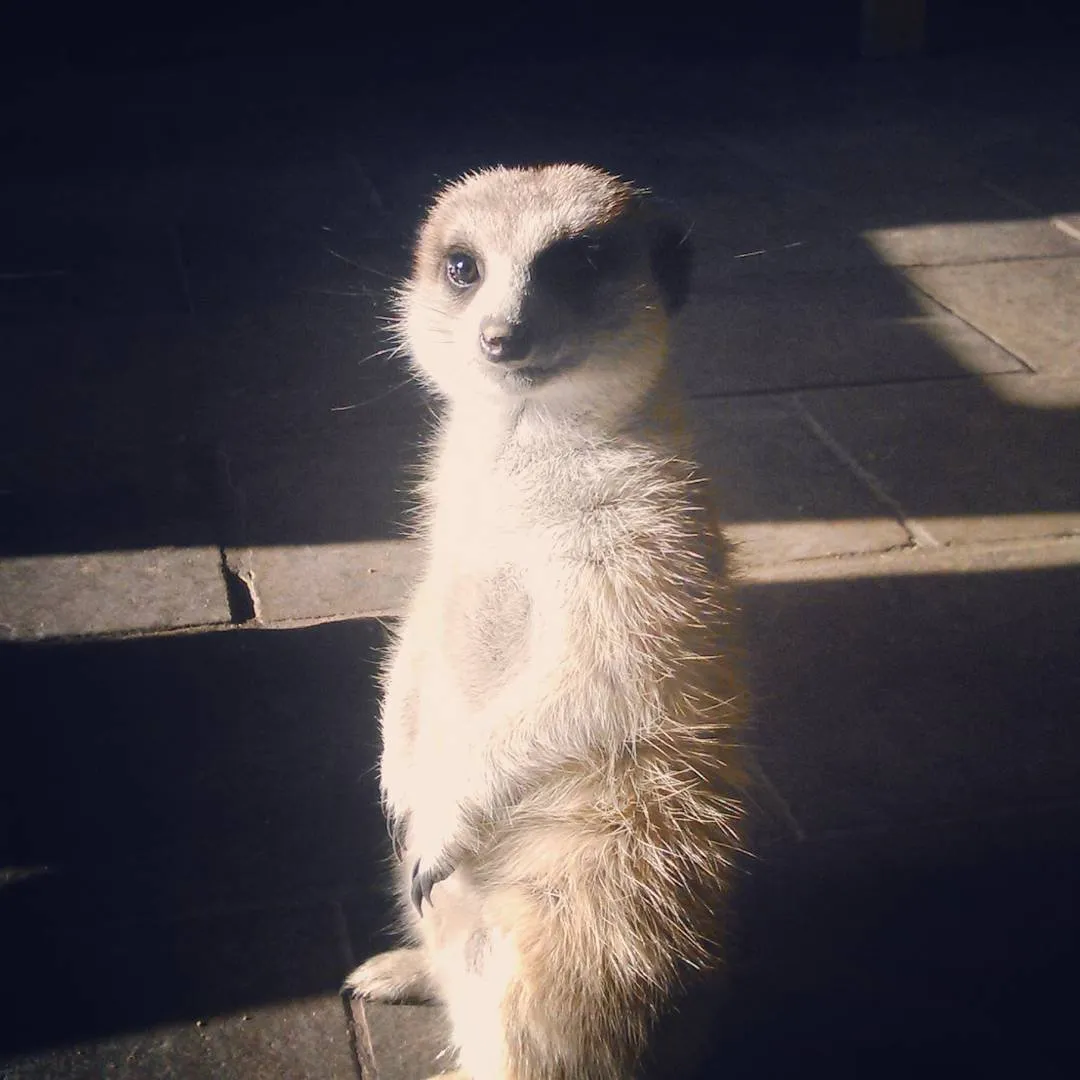
After yesterday’s slog, we get up today in no mood for partying. Luckily we have an easy day, on paper at least, though we know that a stage seen on the map is one thing and on the pedals quite another. The first 8 kilometres are hard, on a track like yesterday’s, but easier ones will follow. Before pedalling, though, we need to eat, so we head to the lodge for a good breakfast. And there we meet Carlos, a little meerkat who has become the lodge’s mascot on his own merits. After trying (and failing) to steal the water from my CamelBak, he kindly posed for a photo.
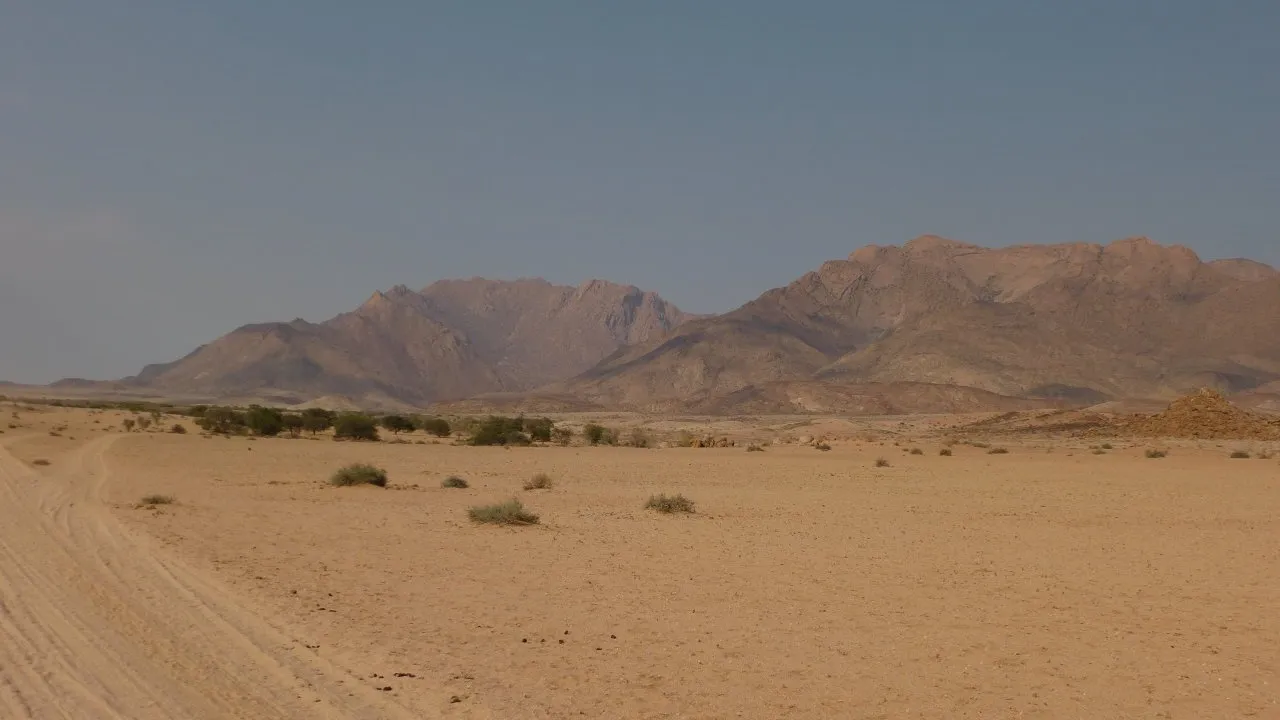
We take the first kilometres easy. The route is a sandy track, so we keep having to stop and push, something we’ve been getting used to since yesterday. Still, the landscape is wonderful, and pushing the bike with all our luggage is worth it if it lets us discover this beautiful place.
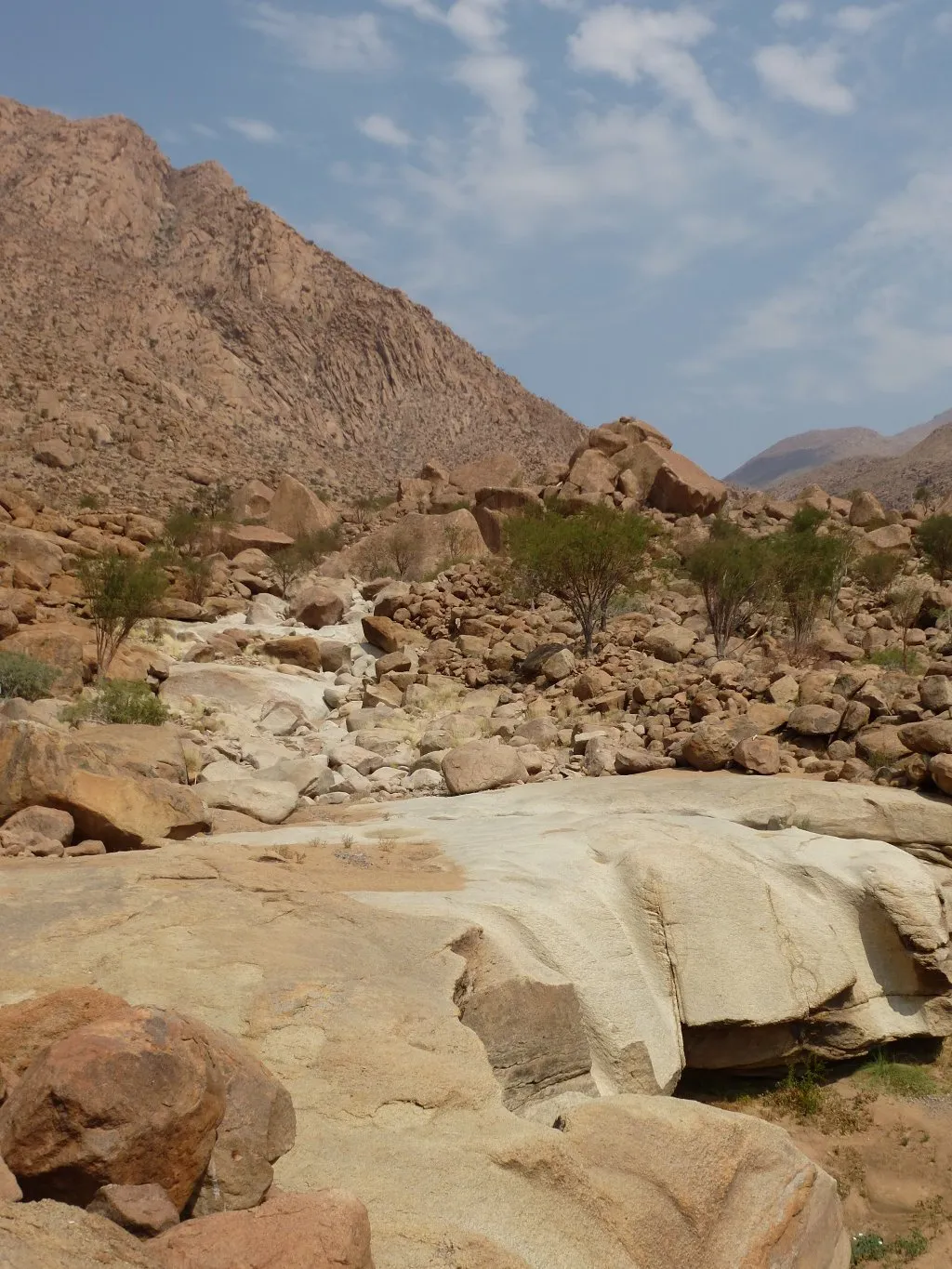
It doesn’t take us long to reach the start of the trek that will take us to the White Lady, the most important rock painting in Namibia. When we get there we find a much more organised trek than we expected. After paying the entrance fee, a guide comes to collect us and puts us with the rest of the group, all of them German. I don’t know if I’ve mentioned it, but German tourists in Namibia far outnumber any others. The years of German occupation show: many Germans live in Namibia and many more come on holiday. Honestly, I don’t know whether there are more Germans on the Spanish coast or in Namibia. After joining the rest of the group, we walk along what looks like a dry riverbed.
As we walk, our guide points out the most common trees and plants in the area. Acacias, much prized by elephants, and the tamarisk, an almost magical tree that provides practically everything, from a coffee-like drink to juices… pretty much anything, really.
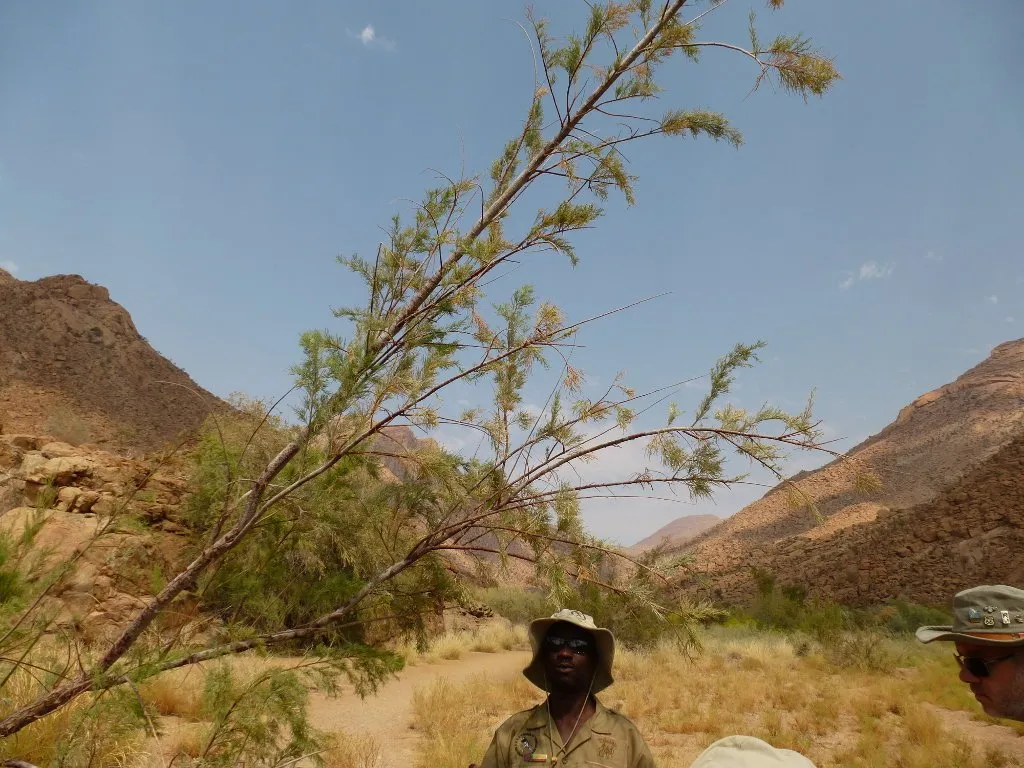
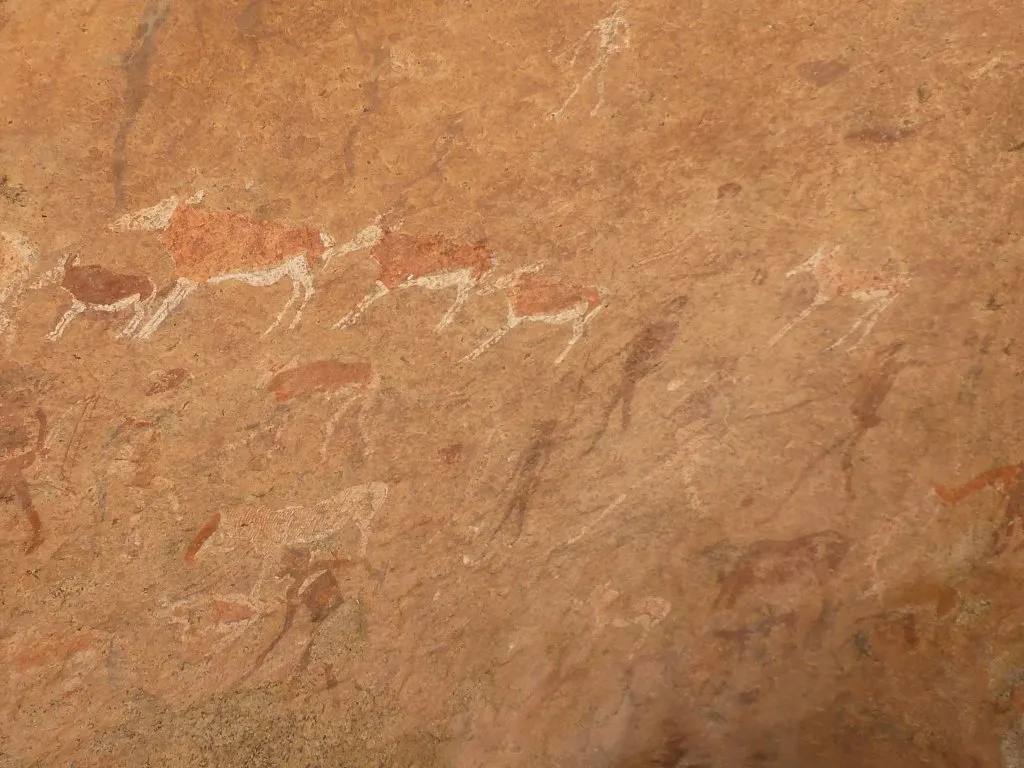
At last we reach the spot. He explains how a German adventurer found these and other paintings on the rock around Mount Brandberg. Some 600 rock paintings have been discovered in the area, which is surprising not so much for their number as for the fact that they’re well preserved. The most important of all is the White Lady, 2,000 years old. Discovered by the German explorer and surveyor Reinhard Maack, it shows a woman with white legs and arms in a hunting scene. I’m not so sure it’s a woman rather than a man… judge for yourselves.
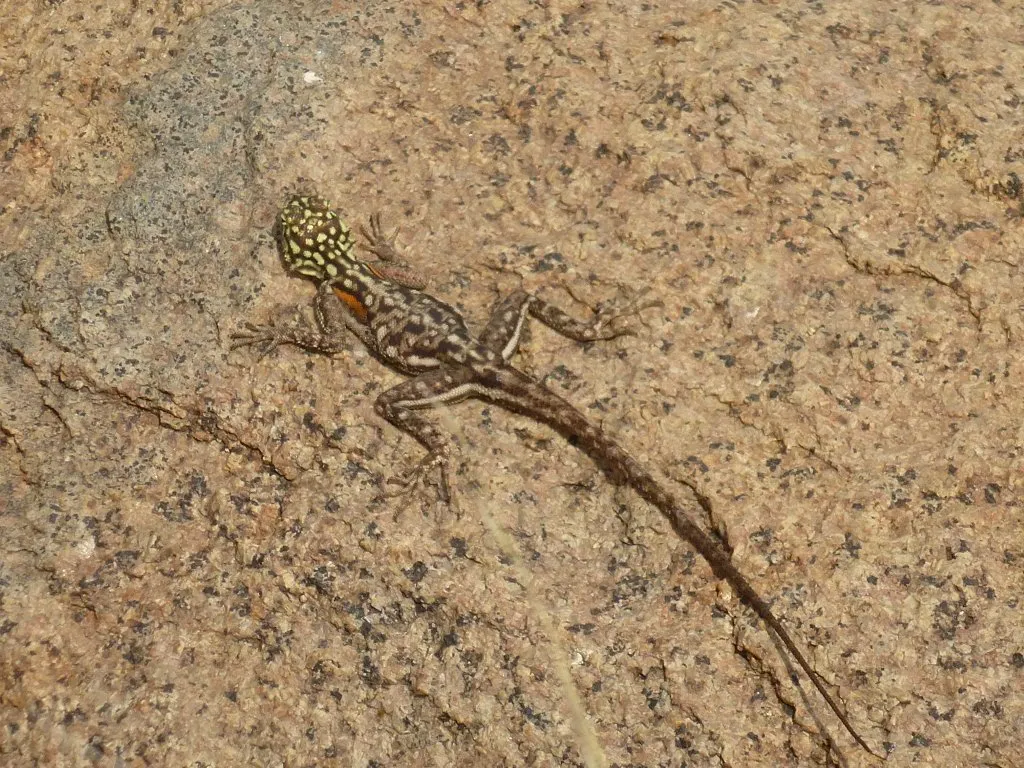
After gazing at the paintings, we retrace our steps to the starting point. We take the chance to notice details we’d missed on the way in, and we’re even lucky enough to photograph this gecko.
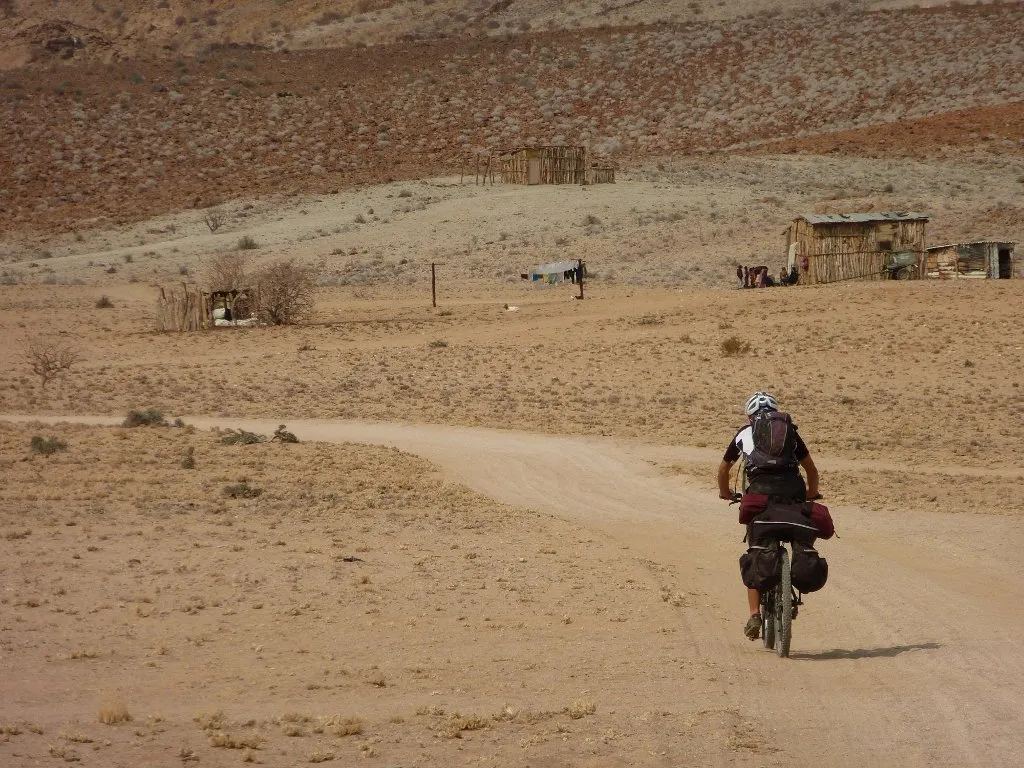
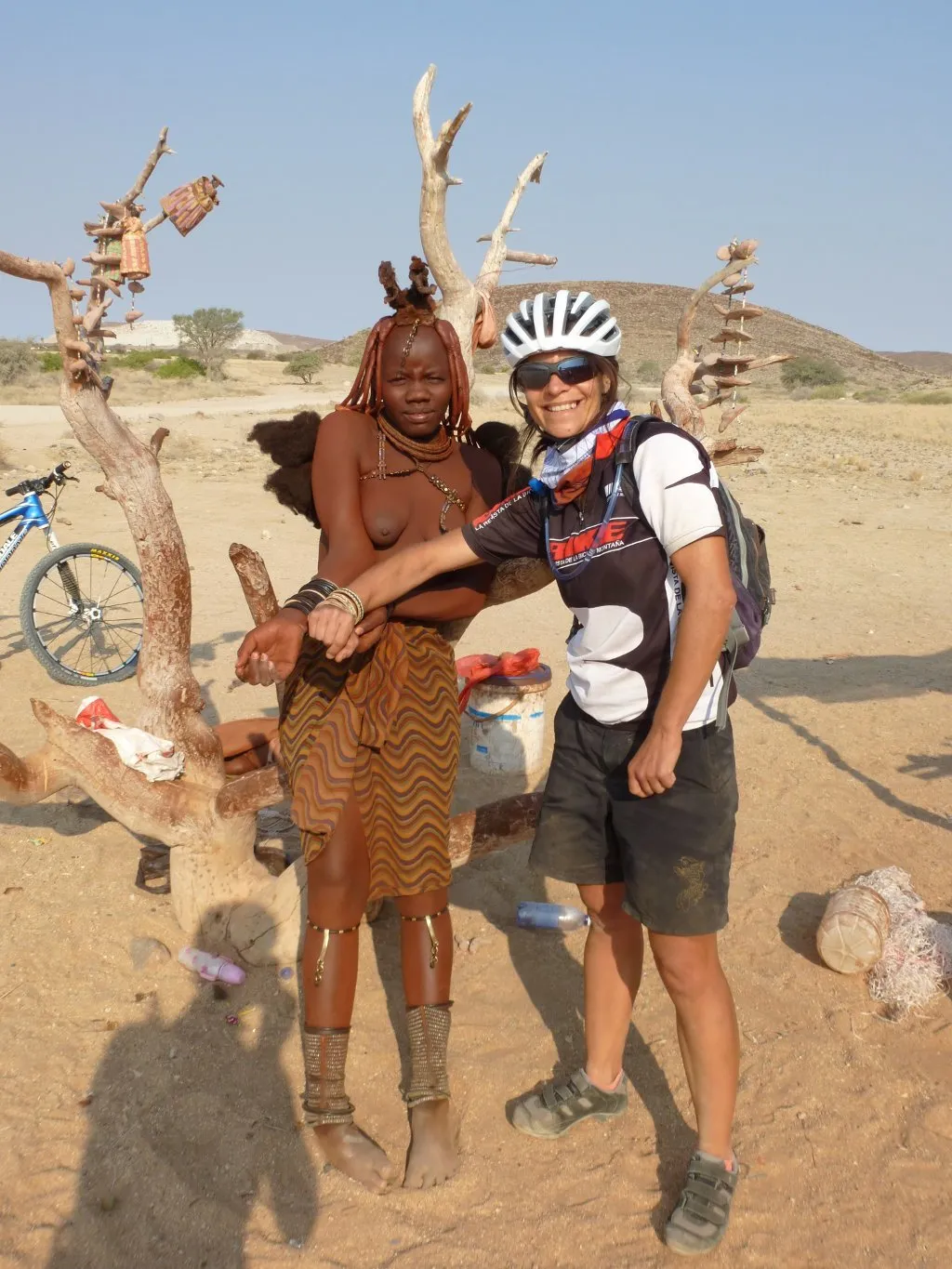
We go back for the bikes and set off down the track again, knowing that in about 30 kilometres we’ll be at the campsite. What we didn’t expect was for them to be so hard. The few kilometres we have left feel endless, first because of the climbing and the poor state of the track, and then because of the strong, very strong wind. We make very slow progress, stopping only for a few minutes to see some Himba selling handicrafts. Himba is the name of the people native to Kunene, a semi-nomadic people from Namibia who have kept their way of life through the centuries. But these ones in particular, instead of farming or herding, wait for some tourist to buy something from them and give them a gift of food or clothes. Though I recognise how hard their lives are, the artificial way they present themselves and the brazenness with which they ask for things make me uncomfortable. It wasn’t the experience I was hoping for, although it’s true that you can’t expect to slip into other people’s lives as if it were a theme park. Even so, we buy a couple of bracelets as souvenirs.
With two new bracelets we carry on along the winding road to our destination, Uis, a town with some large open-cast mines that bring it prosperity and no tourist appeal whatsoever.
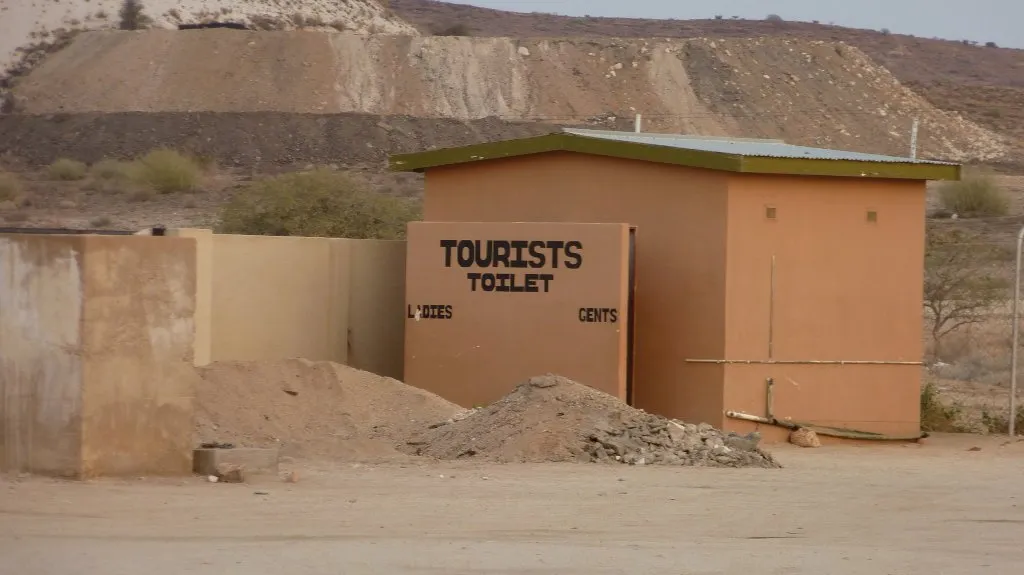
The campsite is very well kept, and its kind, easy-going owner gives us 5 litres of water for the journey, which we’re very grateful for, since we’ve just realised it’s Sunday and everything is closed. It’s a curious feeling, not knowing what day of the week it is. What we do know is that we need to rest.
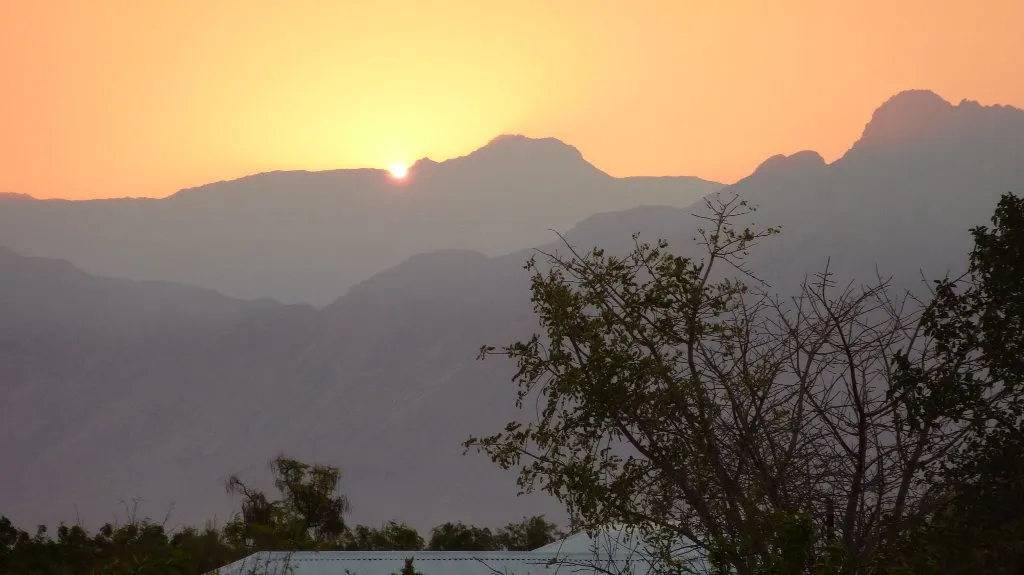
We feel uneasy about tomorrow: 120 kilometres of track separate us from the coast at Henties Bay. If the track is good, the stage won’t be too hard. We’re at 850 metres above sea level and Henties Bay is a fishing town, so the whole route will run slightly downhill. But what if the track is bad? What if it’s very windy? We’ll find out tomorrow.