The real thing
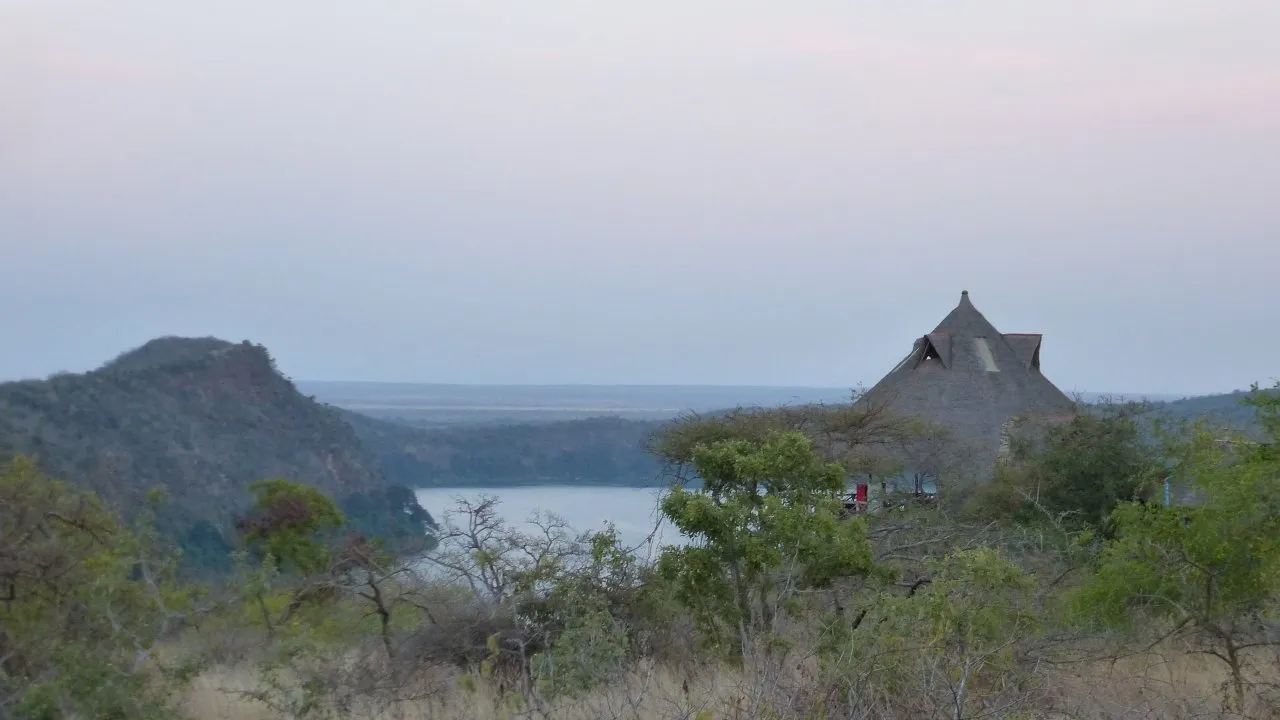
We’ve had a magnificent night at Lake Chala. Our first night of camping without mosquitoes, which is good news. Although our bodies are loaded with Malarone, we have no interest in testing how well it works.
It’s been a wonderful night: the place couldn’t be more peaceful, and the only sound we heard was the odd night bird. After taking down the tent, we go and get breakfast. A vegetable omelette was waiting for us, facing the beautiful views of Lake Chala. We’re going to miss this place…
But we didn’t come here to rest, we came to ride. So we load up the panniers and set off, up the track, towards the track that will take us to the north side of Kilimanjaro, the so-called lower road.
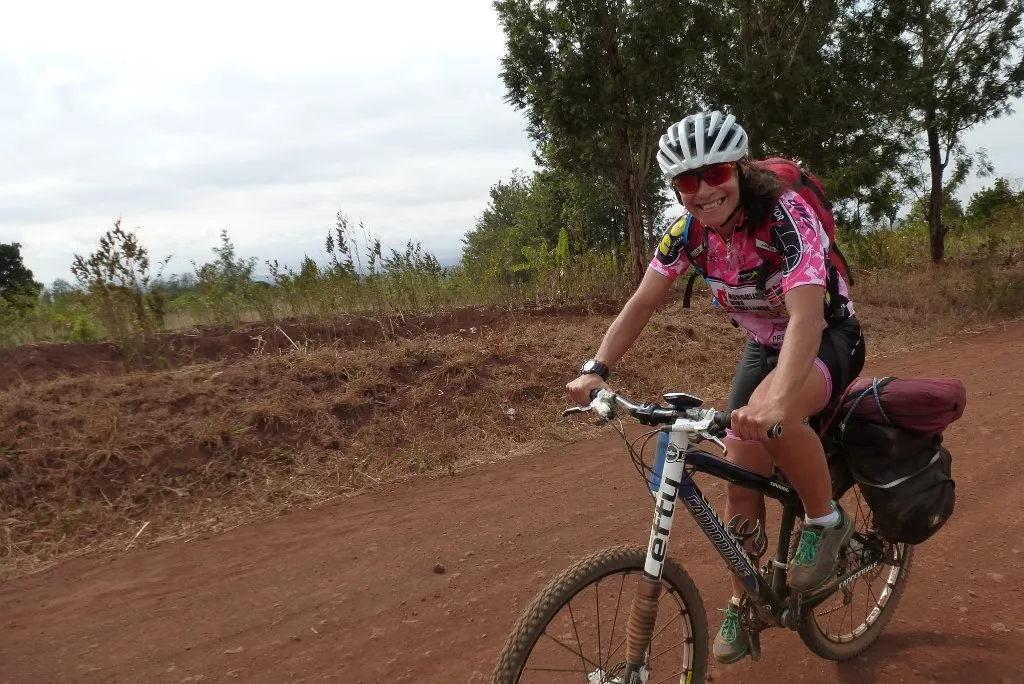
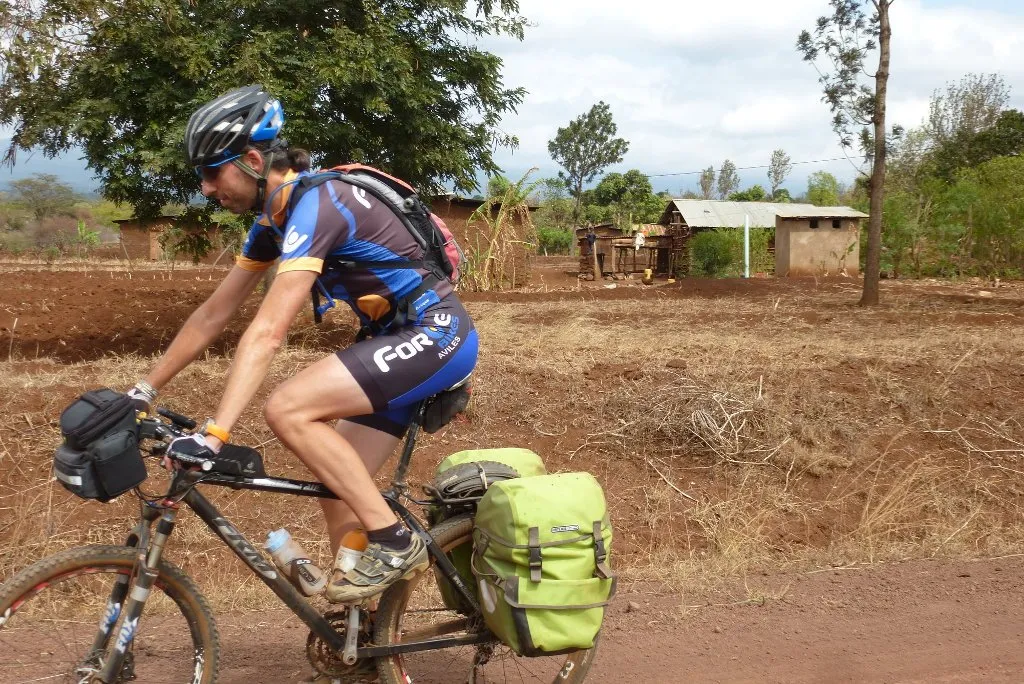
The track gains height little by little; today’s destination is quite high up. The ground isn’t too broken, but it’s nowhere near the luxury of the day before. Rocks poke out of the dirt and make the going, at times, rougher than we’d like. We don’t pass a single car, only motorbikes. Lots of motorbikes. The famous boda boda, the cheapest (and most dangerous) taxis in Africa. Many of them overtook us at high speed, on their old bikes with bald tyres… they don’t look very safe, and everyone told us how many accidents they cause.
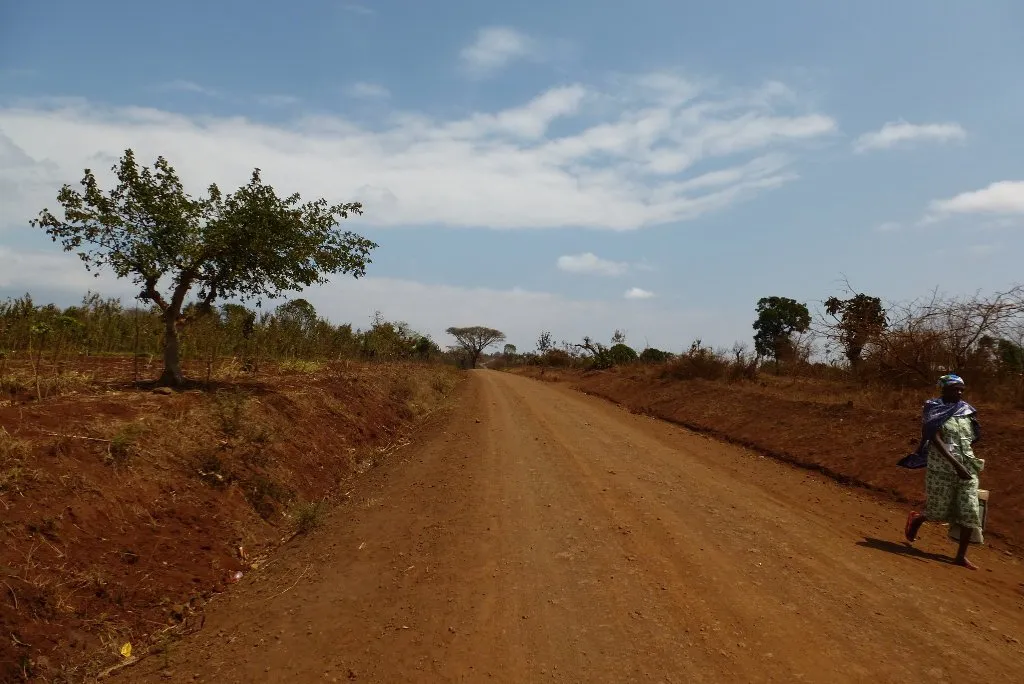
A little further on we come out onto a tarmac road. We have a lot of kilometres to cover today, so it suits us very well. We pass through several lively villages, the ones on the border between Tanzania and Kenya. The traffic, lorries above all, is very heavy, although we soon leave this area behind and the traffic eases off.
The road climbs gradually: today’s stage will take us from just over 900 metres at Lake Chala to a little over 2000. Luckily, the road is good and we make easy progress. You can feel the altitude: it starts to get a bit cold, and we even get some light rain. We’re on the slopes of Kilimanjaro but we still can’t see it; the clouds hide everything.
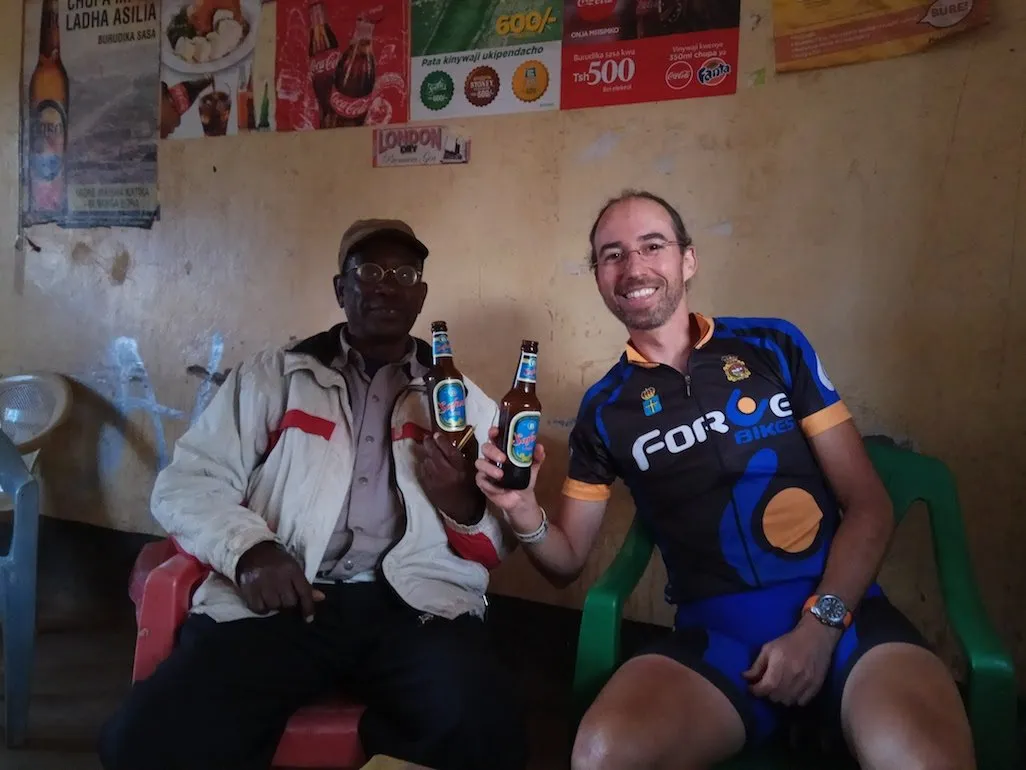
After eight hours on the bike we reach Kamwanga. Waiting for us here was the teacher, a Maasai who works as coordinator of the Kamwanga Cultural Centre. This would be the most authentic experience of the trip. And to start with, a beer.
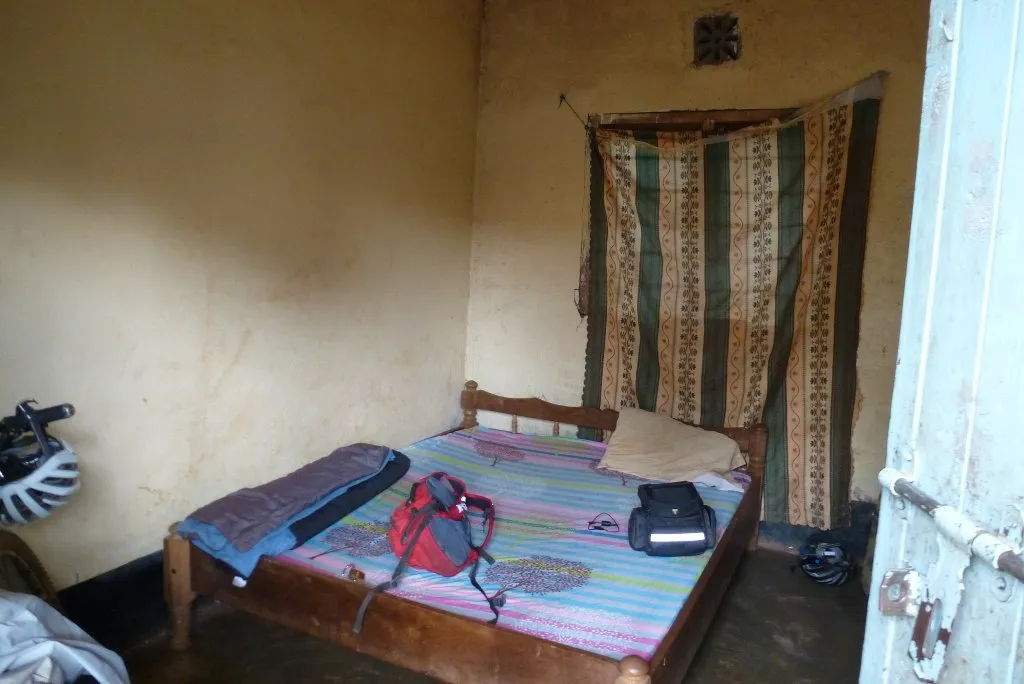
We stay in a modest guest house. After a shower, we leave our stuff lying around the room and go off to see the village.
The teacher took us all round the village, introducing us to people and telling us how, and on what, people make a living in these parts. Agriculture obviously dominates the economy of these villages, bananas above all. We were also surprised to see, in such a small village, a mosque, a Catholic church and a Protestant church. All together, in a small space, and at peace.
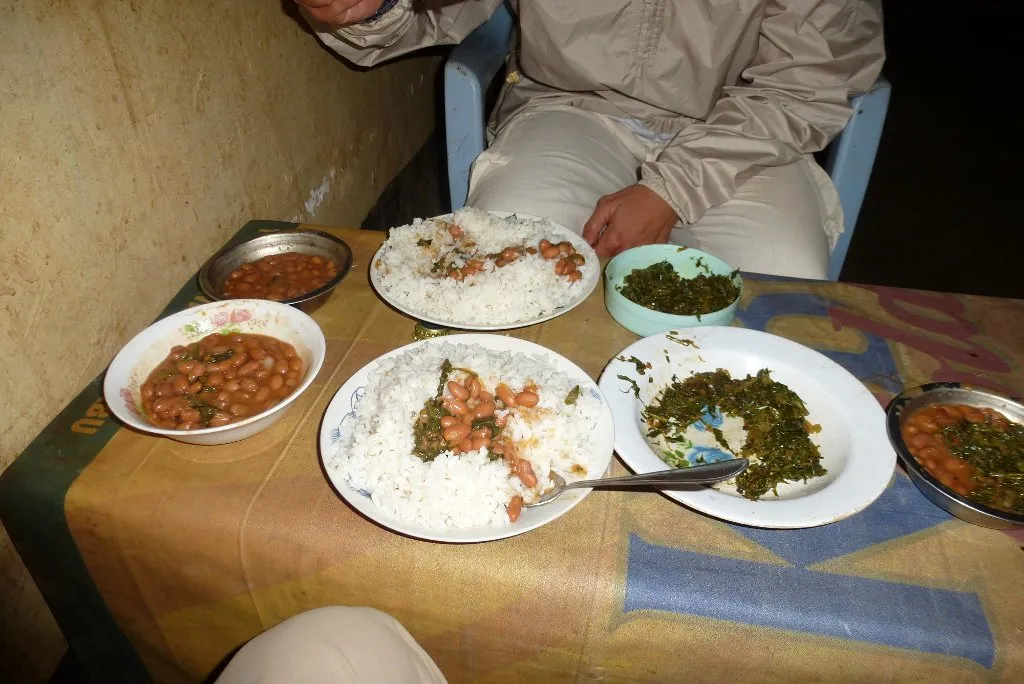
After the tour of the village we’re starving. We invite the teacher to have dinner with us and treat ourselves to a little feast of local food, really, really good. And from there we head off to bed: it’s been a long day and we need to rest. What we didn’t know was that the night would be long too… but I’ll tell you about that in the next post.