Discovering the Maasai people
Last night we enjoyed endured a rough night. We’d chosen to sleep right at the heart of the local nightlife. Until the small hours we listened, at full volume, to the music that’s all the rage around here. Then came the late-night partying in the rooms next door… in short, it wasn’t easy to get to sleep. Luckily we were very tired and, although we didn’t sleep as much as we’d have liked, we did get some rest in the end.
The next morning they made us what may well be the most calorific breakfast I’ve ever had, based on pancakes so thick we couldn’t even roll them up. We had to cut them in half! And in case we were still hungry, they made us a few more to take away.
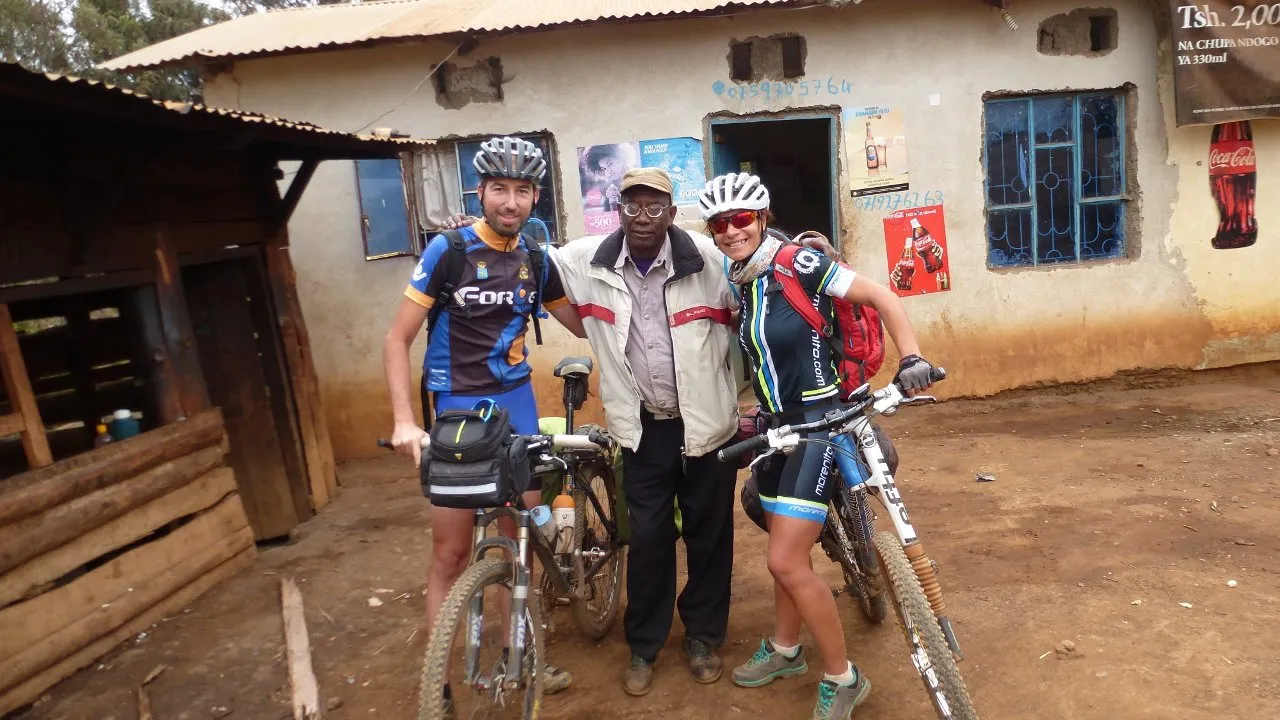
Then it was time to pay: dinner for three, a room for the two of us and breakfast for three (our guide joined us again) came to €10 in total. And that’s the price for us, the mzungu. Or in other words, white people.
I have to admit that I particularly enjoy experiences like these. Nothing we lived there can be paid for with money. It all comes from being in that place at that moment. I’ll never forget our dear teacher and how well he treated us.
The time came to leave Kamwanga. We head out onto the road and see that it ends right at the edge of the village. Of today’s roughly 70-kilometre stage, we’ll only ride 200 metres on tarmac. The rest, dusty track.
The sky is cloudy, which once again stops us from seeing Kilimanjaro. The days go by and we still haven’t seen it. There’s no doubt it’s there, but will it show itself?
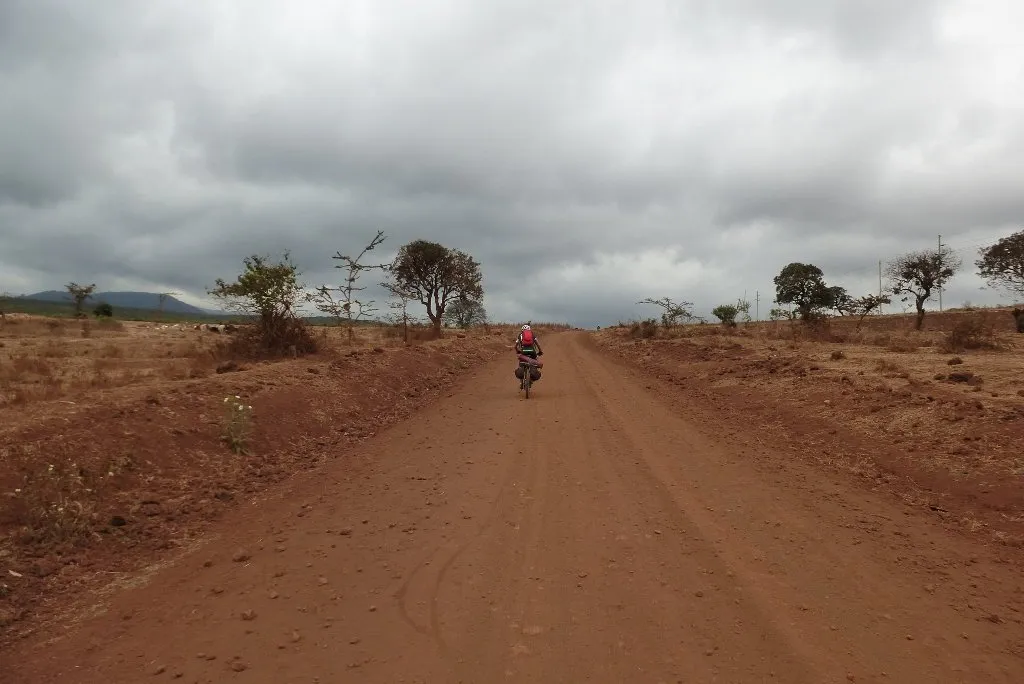
The track has no traffic and is very, very broken. We ride on for a few hours until we reach a point where we start to come across lots of lorries and machinery. It looks like they’re trying to turn this track into a road. The stretch until we turn off from the roadworks becomes a little hell. Big lorries overtaking us, passing very close and kicking up so much dust that we practically have to stop. A minor ordeal that won’t spoil a great day.
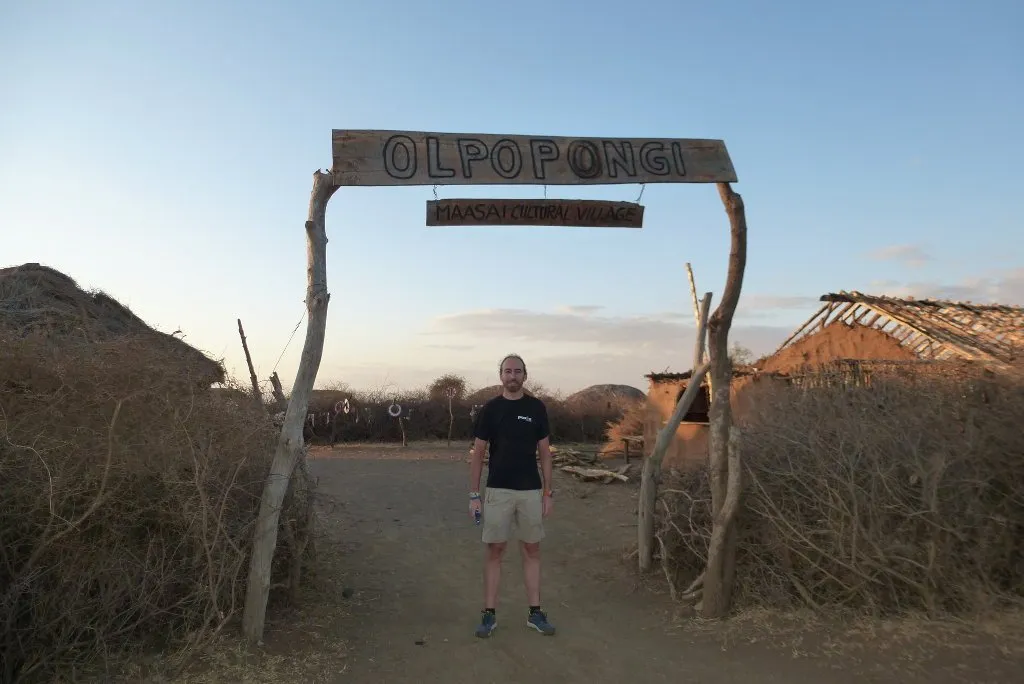
Further on, our route at last leaves this main road under construction. We’re heading for Olpopongi, a small Maasai village set up for tourism, which takes guests but is run by the Maasai. A Maasai village you book on Booking: very strange. We really, really can’t wait to get there.
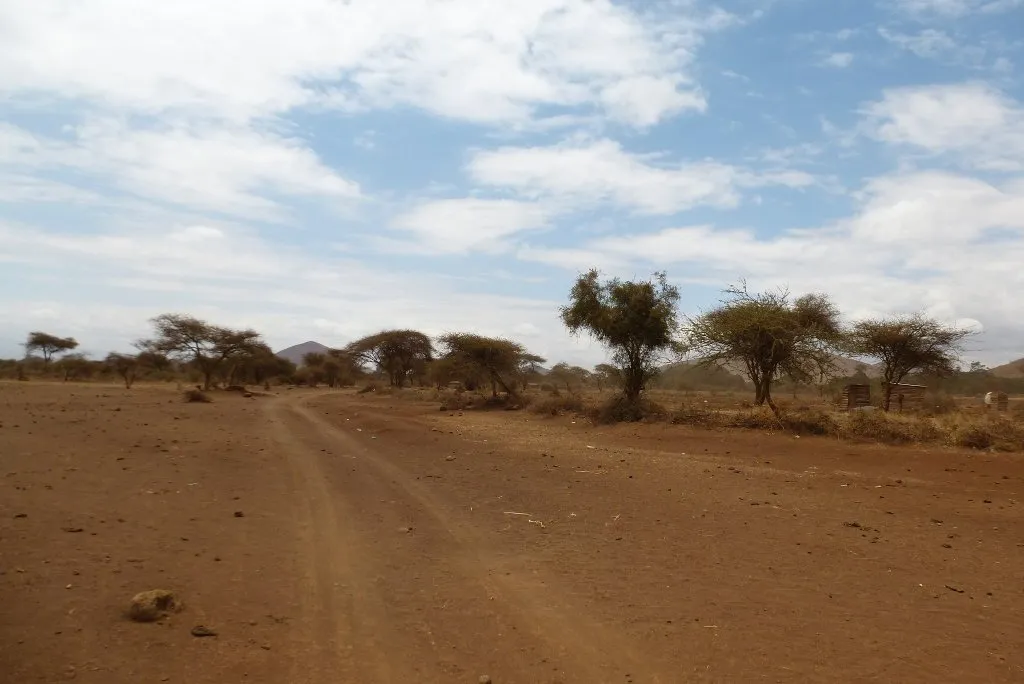
What comes next is wonderful. We leave the track and launch ourselves, with the wind at our backs, along narrow paths with a very, very hard surface that lets us go really fast. The landscape is wonderful and the track is great fun. We make two short stops along the way. One, to patch up the wounds a wait-a-bit thorn (Acacia mellifera) left on Nines’s arm. We got so carried away with the speed that we cut the corners too fine. The second stop was to show the park ranger our pass.
After 65 kilometres we reach the village. It’s been a short but uncomfortable stage. And we had a great time.
At the village we’re welcomed with a dance.
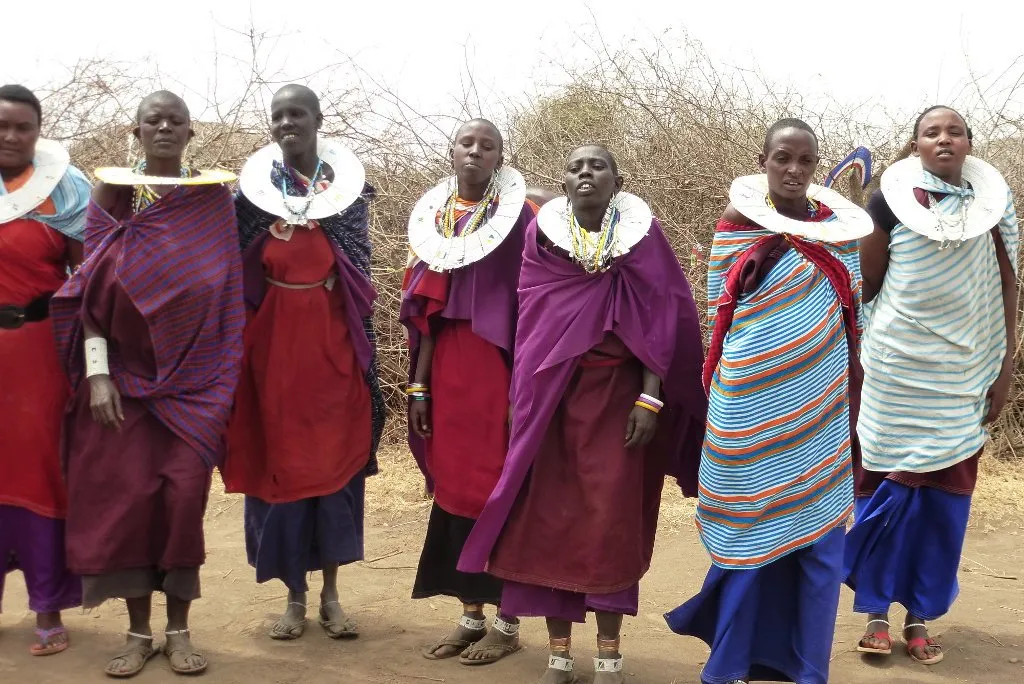
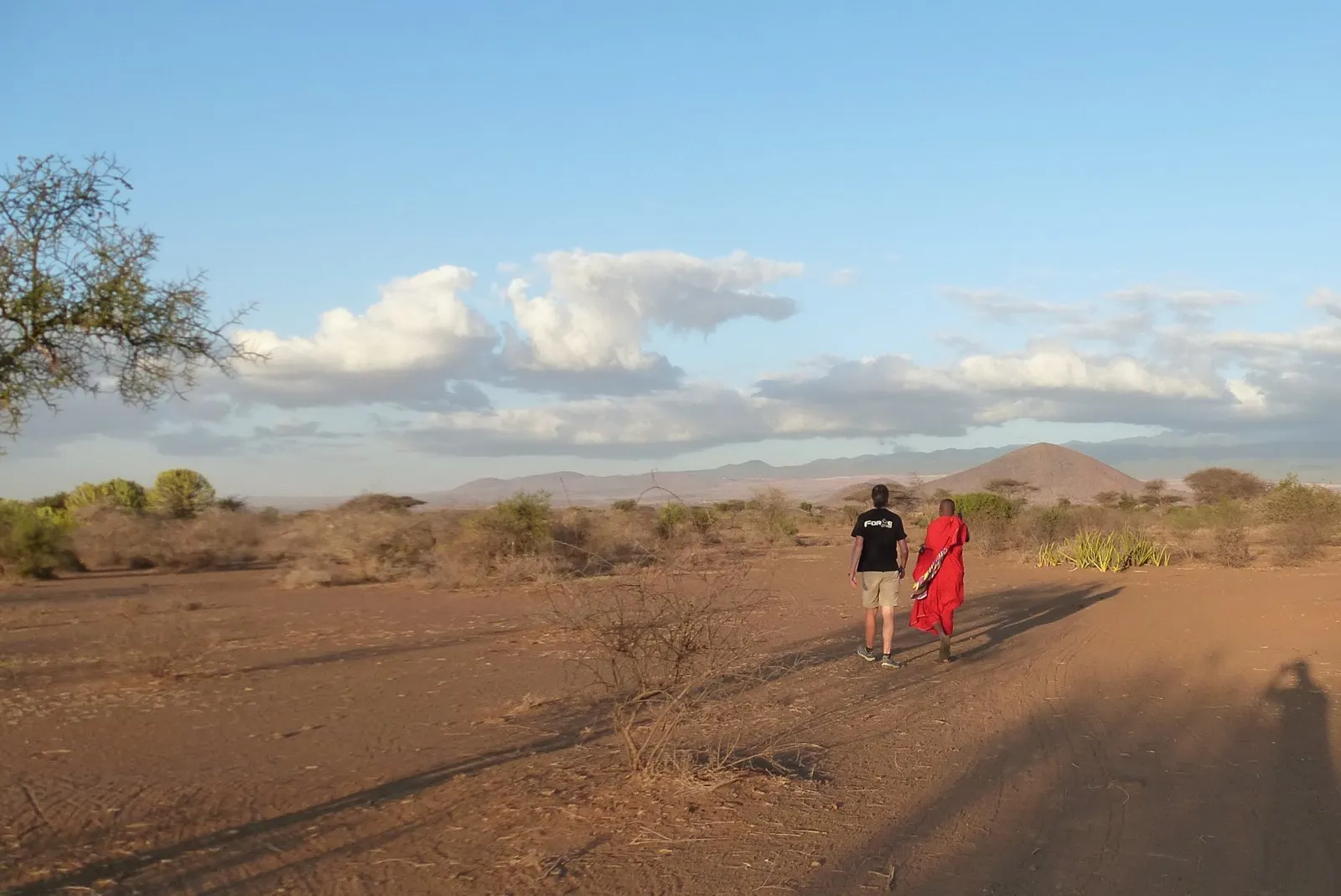
We’re covered in dust, so first of all, a shower. A real luxury in a place like this, which doesn’t even have electricity. The shower is incredible, with beautiful views over the whole savannah. After a well-earned shower, the experiences in the village come one after another. First, a visit to the village’s ethnographic museum. Then a wonderful walk around the village, where the chief shows us all sorts of facts and curiosities about Maasai culture.
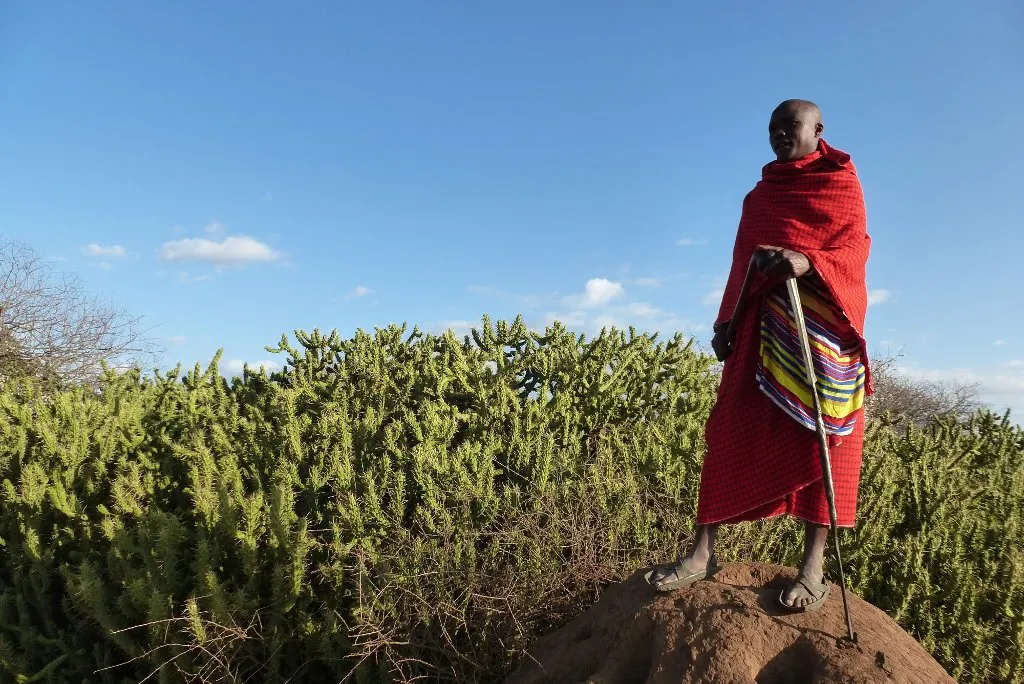
Maasai history, culture, traditions, and even how to make a toothbrush from the twigs of an acacia.
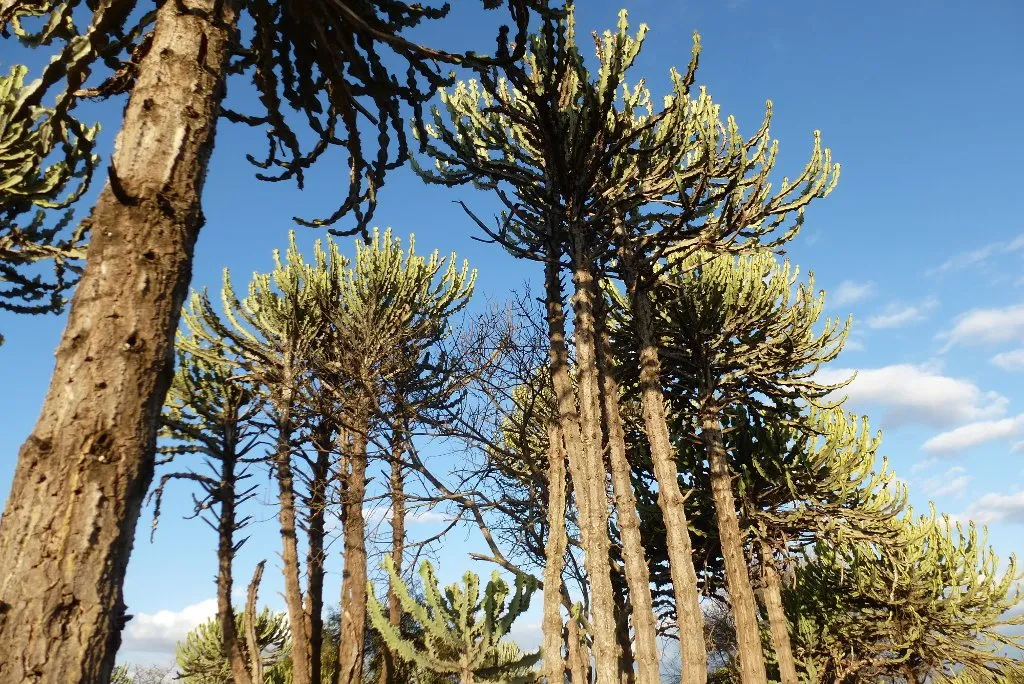
And of course, the reason the village is called Olpopongi. It takes its name from the olpopongi (its name in Maa, the Maasai language), the tree they build their huts with. Apparently it’s toxic to insects, so they save themselves a few good coats of varnish.
We also tried to earn the rank of Maasai, which you get by showing your skill with the spear. And we failed miserably. Then, Maasai tea with the village’s elder woman, another great experience. Without a doubt, a day we’ll never forget.
Back in the village, a good dinner with beer (yes, they had beer!) and off to sleep in a comfortable hut. Good night!